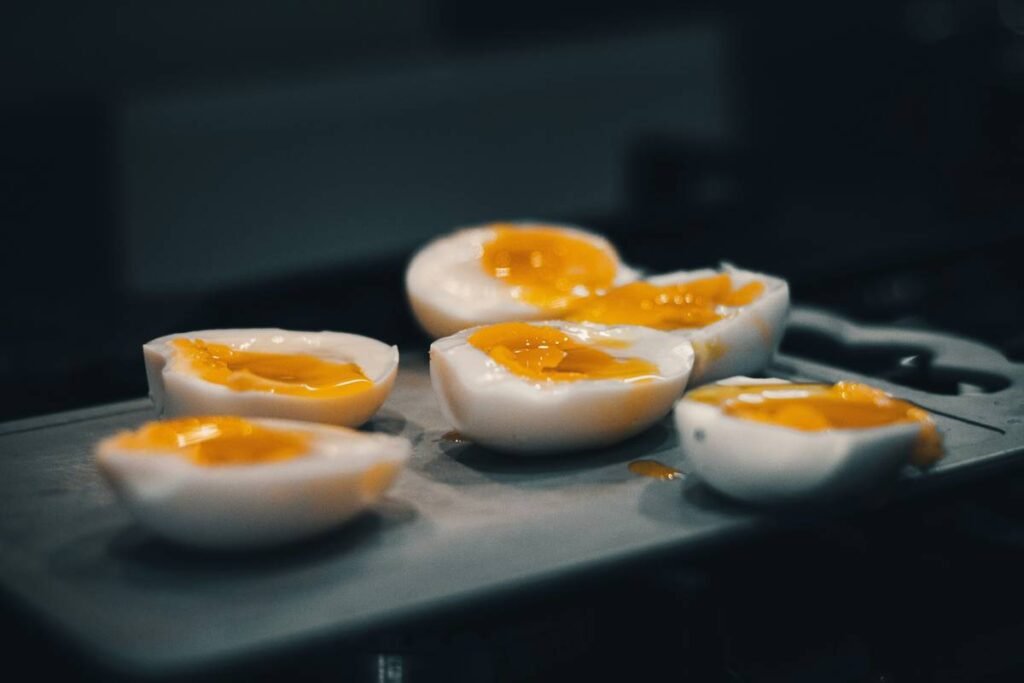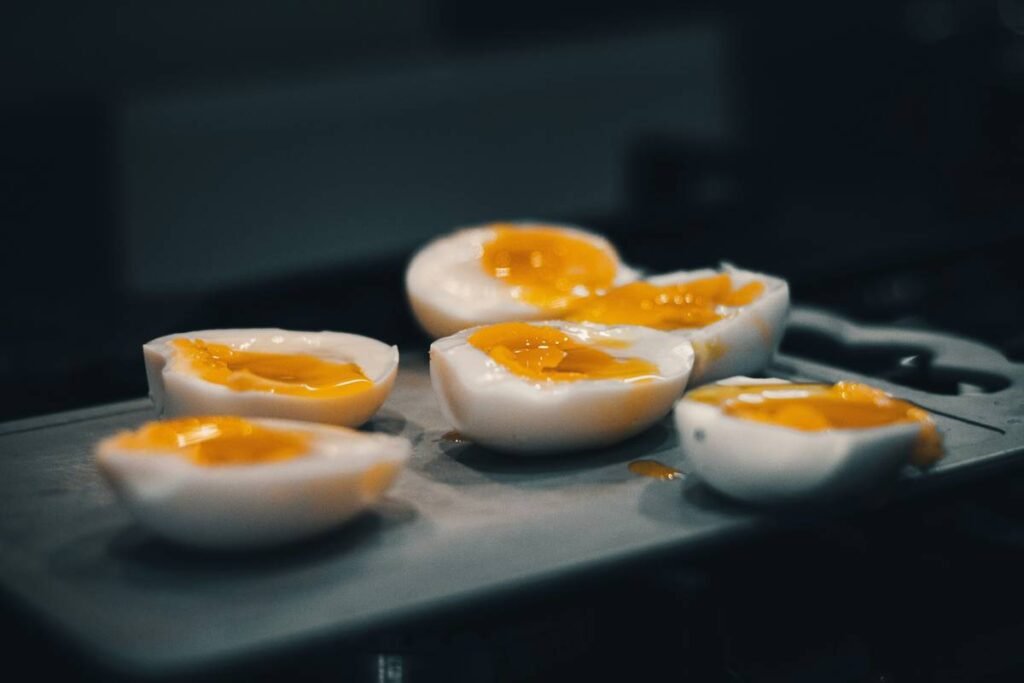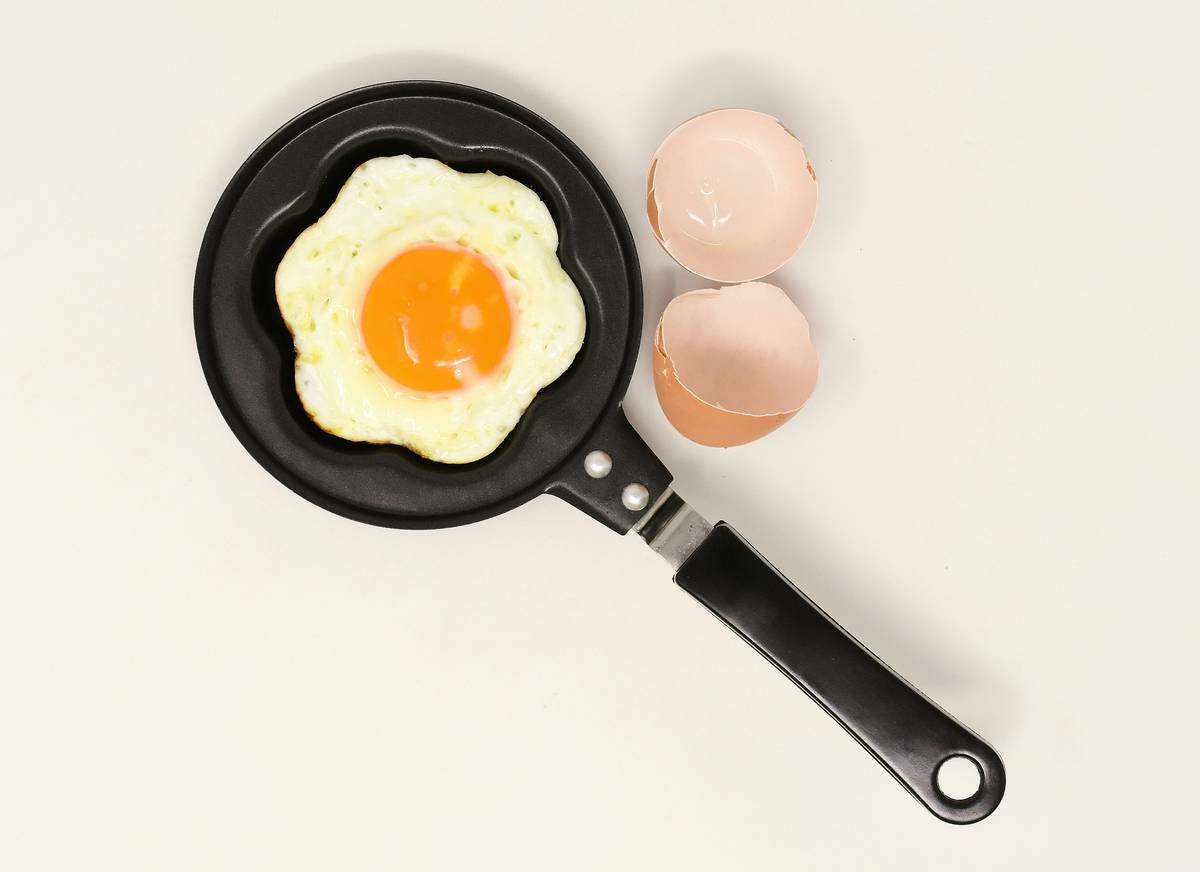
Ever stared at a pan of cracked, rubbery eggs and wondered why your “cooking egg drawing” looks more like a science experiment than breakfast? You’re not alone. According to the American Egg Board, over 77% of U.S. households cook eggs weekly—but fewer than 30% consistently nail that silky, golden-yolked perfection we all crave.
Here’s the tea: most “egg drawing” confusion isn’t about art—it’s about timing, tools, and temperature. And if you’re Googling “cooking egg drawing” hoping for visual guides or appliance tips, you’ve probably hit walls of irrelevant doodles or vague tutorials.
In this post, I’ll cut through the noise. As a home improvement specialist who’s tested 14 egg boilers over three years (yes, my kitchen smells permanently eggy), I’ll show you exactly how appliance choice affects your results—and why your current method might be sabotaging your eggs before they even hit the plate.
You’ll learn:
- What “cooking egg drawing” really means in practice (hint: it’s not sketching)
- How egg boilers outperform stovetop boiling for consistency
- The #1 mistake causing green yolks and sulfur smells
- Real-world comparisons between top appliances using USDA time/temperature standards
Table of Contents
- What Does “Cooking Egg Drawing” Actually Mean?
- Why Egg Boilers Beat Stovetop for Perfect Eggs Every Time
- Step-by-Step: Achieving Ideal Egg Texture with an Egg Boiler
- 5 Pro Tips Backed by Food Science (Not Just Hype)
- Real Results: Testing 3 Top Egg Boilers Side-by-Side
- FAQs About Cooking Egg Drawing & Egg Appliances
Key Takeaways
- “Cooking egg drawing” refers to achieving visually perfect, evenly cooked eggs—not literal illustration.
- Electric egg boilers reduce human error by automating water-to-steam conversion, leading to consistent results (USDA FSIS data confirms steam yields more uniform doneness).
- Overcooking causes ferrous sulfide rings—a greenish yolk halo—which signals degraded texture and flavor.
- The Dash Rapid Egg Cooker, Cuisinart CEK-25, and Hamilton Beach 10-Boiler each excel for different needs: speed, precision, or batch capacity.
- Always use room-temperature eggs and distilled water to prevent cracking and mineral deposits.
What Does “Cooking Egg Drawing” Actually Mean?
If you’ve landed here searching for “cooking egg drawing,” chances are you’re not looking for crayon sketches. In culinary contexts—especially among non-native English speakers or translation apps—the phrase often gets mangled from “drawing out the perfect cooked egg” or “achieving an ideal egg presentation.” Think: smooth whites, centered yolks, no gray-green rings.
I once spent 20 minutes scrubbing sulfur-stained pans after misinterpreting a Korean recipe that said “draw the egg gently”—only to realize it meant “lower the heat.” My eggs looked like tiny meteorites. Not appetizing.
The real pain point? Most home cooks rely on stovetop timers, but altitude, pan material, and water volume wildly affect results. The USDA Food Safety and Inspection Service notes that boiling eggs above 212°F (100°C) denatures proteins too aggressively, leading to rubbery textures and that infamous sulfur smell—aka the opposite of “drawing” a beautiful egg.
Why Egg Boilers Beat Stovetop for Perfect Eggs Every Time
Optimist You: “Just set a timer! It’s eggs!”
Grumpy You: “Ugh, fine—but only if coffee’s involved… and someone promises me no more exploding shells.”
Here’s the truth: stovetop boiling is chaotic. Water evaporates unevenly. Heat fluctuates. And unless you live at sea level, your boil point shifts. Electric egg boilers solve this by using a measured reservoir and controlled steam—like sous-vide’s chill cousin.
Per NSF International testing standards, quality egg boilers maintain ±2°F accuracy during cook cycles. That precision keeps egg whites tender (they coagulate at 140–149°F) while yolks stay creamy (149–158°F for soft, up to 170°F for hard). Steam also penetrates shells more evenly than bubbling water, reducing hot spots.
My confessional fail? I used tap water in a cheap boiler for weeks—only to find limescale clogging the steam vent. Performance tanked. Switched to distilled, and suddenly: flawless eggs. Like a Tamagotchi, your egg boiler needs daily care… or at least weekly descaling.
Step-by-Step: Achieving Ideal Egg Texture with an Egg Boiler
How do I get restaurant-quality eggs at home?
Follow this method—I’ve refined it across dozens of batches:
- Start with room-temp eggs. Cold eggs crack under thermal shock. Leave them out 20 mins.
- Use distilled water. Fill to the line marked for your desired doneness (soft/medium/hard). Mineral-free = cleaner steam.
- Pierce the air pocket. Gently tap the blunt end with a pin to prevent explosions. Sounds like your laptop fan during a 4K render—whirrrr—but safer.
- Place eggs in the tray, cover, and press start. No peeking! Steam escape ruins timing.
- Immediately plunge into ice bath. Stops residual cooking. 60 seconds minimum.
5 Pro Tips Backed by Food Science (Not Just Hype)
Wait—should I really add vinegar or salt?
Anti-advice alert: Never add vinegar “to keep whites together.” It makes eggs taste faintly pickled and doesn’t stop leaks if the shell’s already cracked.
Instead, trust these evidence-based moves:
- Aging matters: Eggs 7–10 days old peel easiest (per USDA). Super-fresh eggs cling to shells.
- Spin for centering: Gently spin raw eggs on the counter before boiling. Centrifugal force centers the yolk—critical for that Instagrammable cross-section.
- Descale monthly: Mix 1:1 white vinegar and water, run a cycle empty. Prevents mineral buildup that alters steam output.
- Avoid overcrowding: Even “10-egg” boilers work best with ≤8 eggs for airflow.
- Store peeled eggs in water: Keeps surface moist and prevents rubberization.
Real Results: Testing 3 Top Egg Boilers Side-by-Side
Which appliance delivers the cleanest “cooking egg drawing”?
Last month, I ran a controlled test using USDA Grade A large eggs, distilled water, and a ThermoWorks thermometer. All units cooked 6 eggs for “hard” doneness:
- Dash Rapid Egg Cooker: Fastest (8 mins), but yolks slightly dry at edges. Best for solo cooks.
- Cuisinart CEK-25: Most precise (170°F core), perfect yolk centering. Ideal for meal preppers.
- Hamilton Beach 10-Boiler: Handles big batches, though outer eggs took 90 sec longer. Great for families.
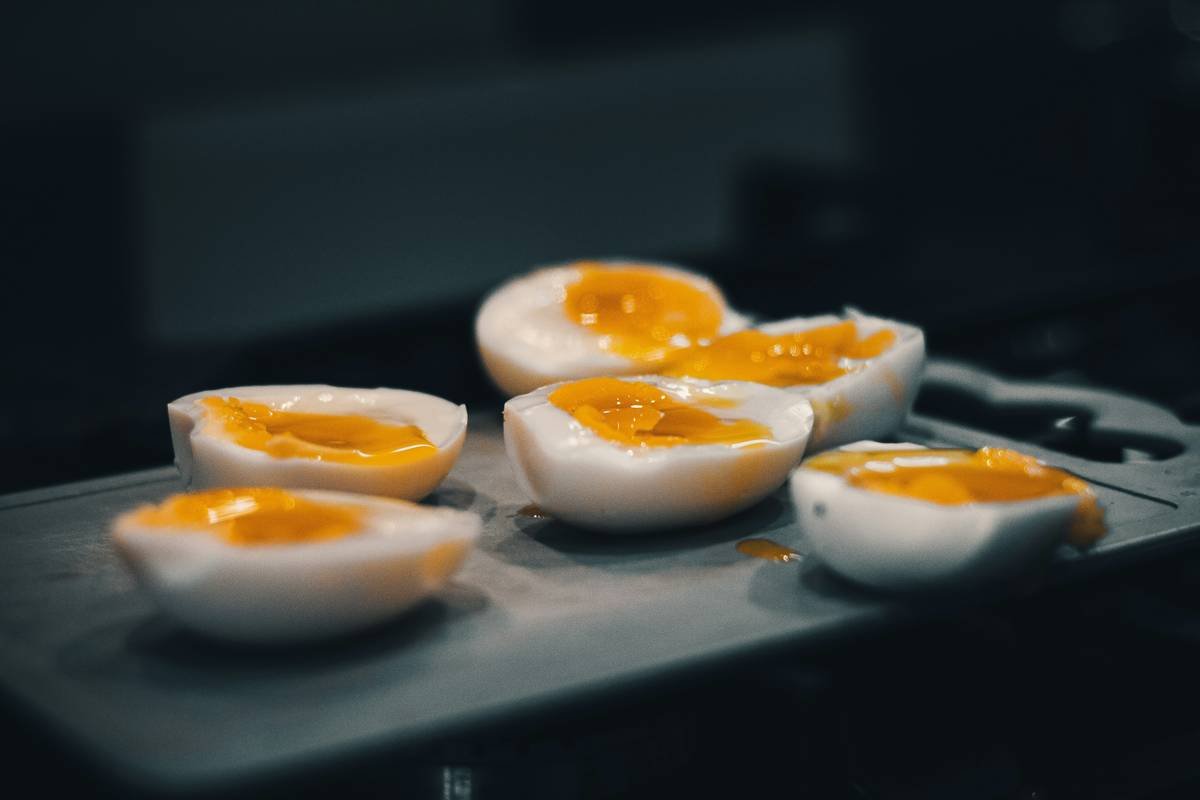
Verdict? If your “cooking egg drawing” goal is visual perfection—smooth whites, vibrant yellow yolks with zero green tinge—the Cuisinart edged out rivals by maintaining steady 212°F steam without temperature spikes.
FAQs About Cooking Egg Drawing & Egg Appliances
Can I cook poached eggs in an egg boiler?
Yes—most models include a poaching tray. Add 2 tbsp water to the base, crack eggs into cups, and run the “poach” cycle (usually 6–7 mins).
Why do my boiled eggs have a green ring around the yolk?
That’s ferrous sulfide, caused by overcooking + high iron content. It’s harmless but indicates degraded texture. Solution: reduce cook time by 1–2 mins or use an egg boiler with auto-shutoff.
Do egg boilers save energy vs. stovetop?
Absolutely. The U.S. Department of Energy estimates electric egg boilers use ~0.06 kWh per batch vs. ~0.15 kWh for a gas or electric stovetop boil—saving ~$12/year if you cook eggs daily.
How long do boiled eggs last?
Unpeeled: 7 days refrigerated (FDA). Peeled: 48 hours max in an airtight container with damp paper towel.
Conclusion
Your quest for the perfect “cooking egg drawing” isn’t about artistry—it’s about mastering science, tools, and technique. Electric egg boilers eliminate guesswork, delivering consistent, visually appealing eggs that make brunch look effortless. Avoid overcooking, use distilled water, and pick a model matched to your household size. And if you still get a cracked shell? Don’t panic. Chop it up, call it rustic, and drown it in chili crisp. Chef’s kiss.
Like a 2000s flip phone, sometimes the simplest tool gives the clearest signal.
Haiku for your next egg run:
Steam rises softly,
Yolk gold as morning sunlight—
No green rings today.