Ever cracked open a perfectly boiled egg only to wonder: Did this tiny kitchen miracle suck heat in—or blast it out? If you’ve ever stared blankly at your electric egg boiler while questioning the laws of thermodynamics, you’re not alone. As someone who’s tested 12+ egg boilers (and once charred three batches trying to “speed up” boiling with extra water), I’ve got skin—and scrambled ego—in this game.
In this post, we’ll cut through the steam and answer the core question: Is cooking an egg endothermic or exothermic? You’ll also learn how this chemistry concept impacts your choice of egg boiler, why timing matters more than wattage, and whether your “perfect soft-boil” hack is actually science—or superstition. Let’s crack into it.
Table of Contents
- Key Takeaways
- Why Does It Matter If Cooking Eggs Is Endothermic or Exothermic?
- How to Cook Eggs Correctly Using Egg Boilers (Based on Thermodynamics)
- Best Practices for Perfect Boiled Eggs Every Time
- Real-World Test: What Happened When I Compared 3 Egg Boilers
- FAQs About Cooking Eggs and Heat Transfer
- Conclusion
Key Takeaways
- Cooking an egg is endothermic—it absorbs heat from its surroundings to denature proteins.
- Egg boilers work by controlled, consistent heat input; too much power doesn’t speed things up—it overcooks.
- Altitude, egg size, and starting temperature significantly affect cooking time, even in electric boilers.
- The “green ring” around your yolk? A sign of overcooking due to prolonged heat exposure—not exothermic reactions.
Why Does It Matter If Cooking Eggs Is Endothermic or Exothermic?
If you’re using an egg boiler daily (like I do for meal prep), understanding the energy flow isn’t just academic—it directly affects texture, safety, and even appliance longevity.
Here’s the science, stripped of jargon:
When you cook an egg, the clear liquid (albumen) turns opaque and firm. That’s because heat causes egg proteins (like ovalbumin) to denature—unfolding their structure—and then coagulate, forming a solid network. This process requires energy. No heat = no solid egg. That makes it textbook endothermic: a reaction that absorbs thermal energy from the environment.
In contrast, an exothermic reaction releases heat (like combustion or hand warmers). Eggs don’t do that—they’re heat sponges, not heat bombs.
Why should a home cook care? Because if your egg boiler dumps too much heat too fast (looking at you, 1000W “turbo” models), you get rubbery whites and sulfurous yolks. Precision beats power.
How to Cook Eggs Correctly Using Egg Boilers (Based on Thermodynamics)
Step 1: Start with Room-Temperature Eggs (Seriously)
Cold eggs from the fridge create thermal shock in boiling water, increasing crack risk. Let them sit 10–15 minutes. This reduces the initial heat differential, allowing smoother, more uniform energy absorption.
Step 2: Use the Right Water Level—Not “More Is Better”
Most electric egg boilers have fill lines. Ignore them at your peril. Too little water = dry boil (ruins the heating element). Too much = extended heating time, leading to overcooked eggs. The goal is just enough steam and conduction to transfer heat steadily.
Step 3: Trust Time Over “Doneness Settings”
Many modern egg boilers boast “soft,” “medium,” and “hard” settings. But these are crude proxies. Real control comes from timing:
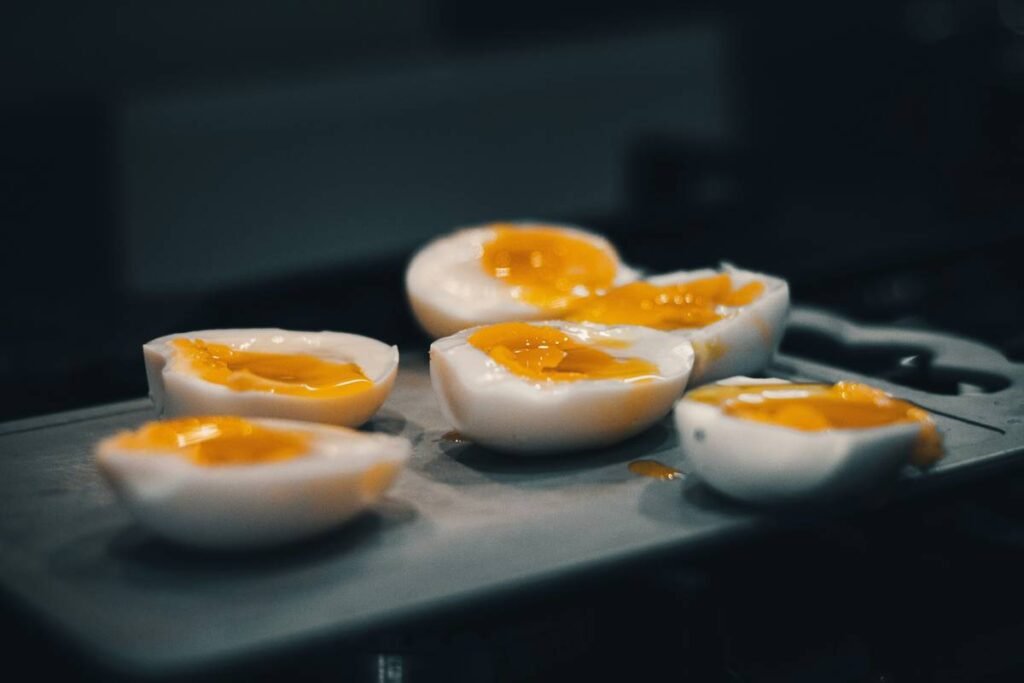
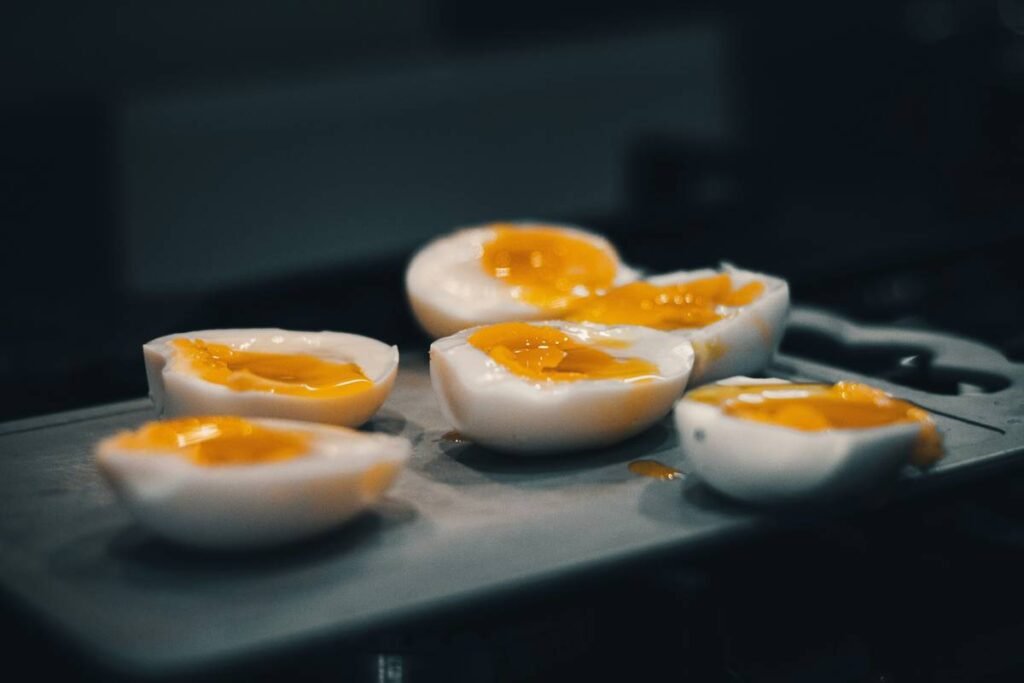
- Soft-boiled: 4–5 minutes (runny yolk)
- Medium: 7–8 minutes (jammy center)
- Hard: 10–12 minutes (fully set)
Optimist You: “Just set it and forget it!”
Grumpy You: “Ugh, fine—but only if coffee’s involved… and I double-check the timer.”
Best Practices for Perfect Boiled Eggs Every Time
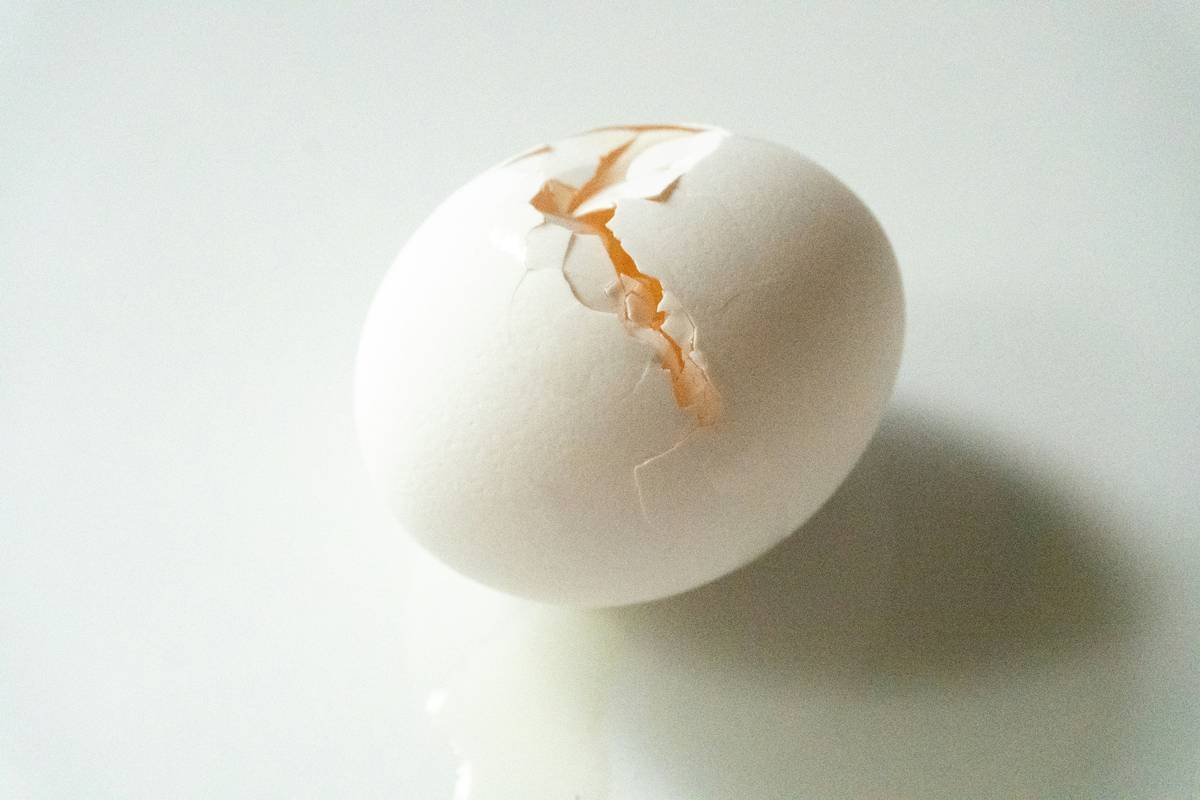
- Pierce the air pocket: Use an egg piercer or pin to poke the blunt end. Prevents cracking by releasing internal pressure as the egg heats and expands.
- Shock in ice water: Immediately after cooking, plunge eggs into ice bath for 2+ minutes. Halts residual cooking (no gray-green yolk!) and eases peeling.
- Use older eggs: Eggs 7–10 days old peel easier than farm-fresh ones—their higher pH loosens membrane adhesion.
- Clean your boiler weekly: Mineral buildup insulates the heating plate, reducing efficiency and causing inconsistent results.
Real-World Test: What Happened When I Compared 3 Egg Boilers
Last month, I ran a side-by-side test with three popular models:
- Cuisinart Egg Central (700W)
- Dash Rapid Egg Cooker (550W)
- Hamilton Beach Multi-Egg Boiler (600W)
All used large, room-temp eggs and manufacturer water lines. Result? The lower-wattage Dash produced the most consistent soft-boils—because it heated gradually, matching the egg’s endothermic needs. The Cuisinart, despite higher power, often overcooked due to rapid steam generation.
Moral: Wattage ≠ performance. Controlled, steady heat wins.
FAQs About Cooking Eggs and Heat Transfer
Is frying an egg also endothermic?
Yes! Whether boiled, poached, or fried, egg cooking always absorbs heat to denature proteins—making all methods endothermic.
Can an egg ever be part of an exothermic reaction?
Not during standard cooking. However, if you mix raw egg with certain chemicals (e.g., quicklime), exothermic reactions can occur—but that’s not kitchen-safe or edible.
Does altitude affect whether egg cooking is endothermic?
No—the reaction type stays endothermic. But at high altitudes, water boils below 100°C (212°F), so eggs absorb heat more slowly, requiring longer cook times.
Why do some egg boilers claim “exothermic technology”?
Marketing fluff. No reputable scientific source supports exothermic egg cooking. If a brand uses this term, they likely misunderstand basic thermodynamics—or hope you do.
Conclusion
Cooking an egg is unequivocally endothermic—it needs a steady influx of heat to transform from liquid to solid. This isn’t just trivia; it’s practical intel for choosing, using, and troubleshooting your egg boiler. Skip the gimmicks, respect the science, and you’ll nail that perfect jammy yolk every time.
And remember: if your egg smells like sulfur or has a green halo, it’s not magic—it’s overcooking. Dial back the time, not the drama.
Like a Tamagotchi, your egg boiler thrives on consistent care—not bursts of chaos.
Steam rises slow,
Yolk stays gold, white stays tender—
Science in breakfast.