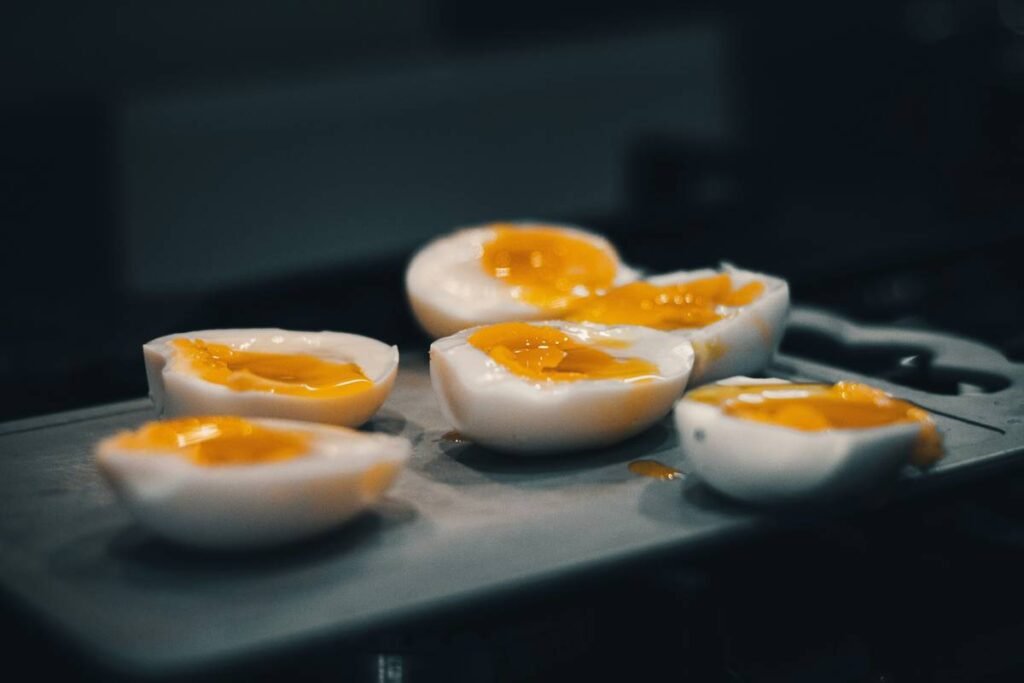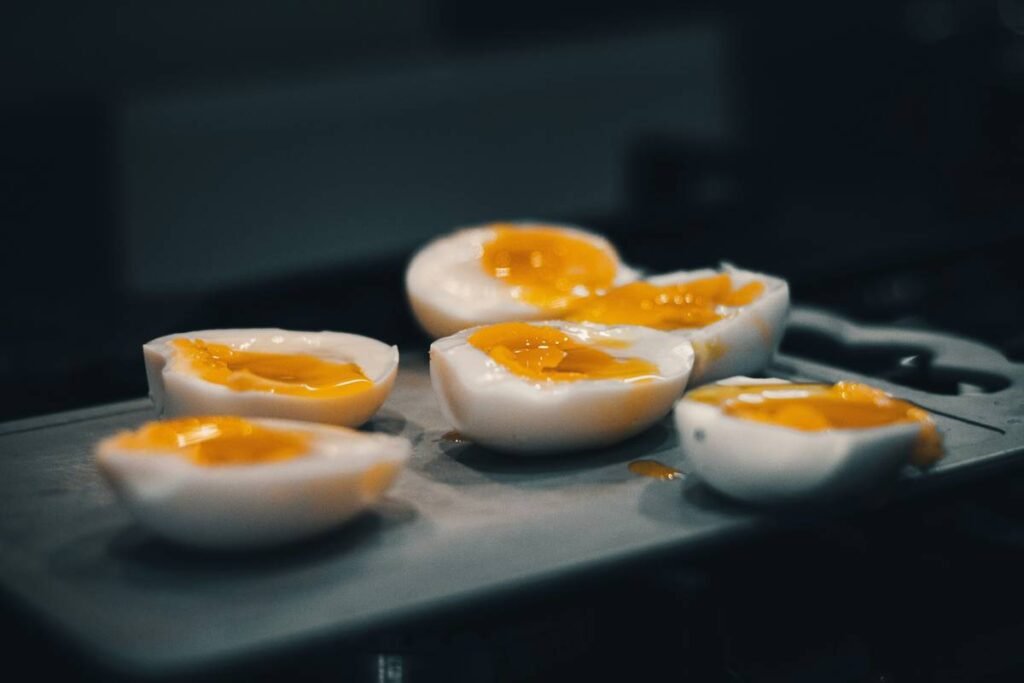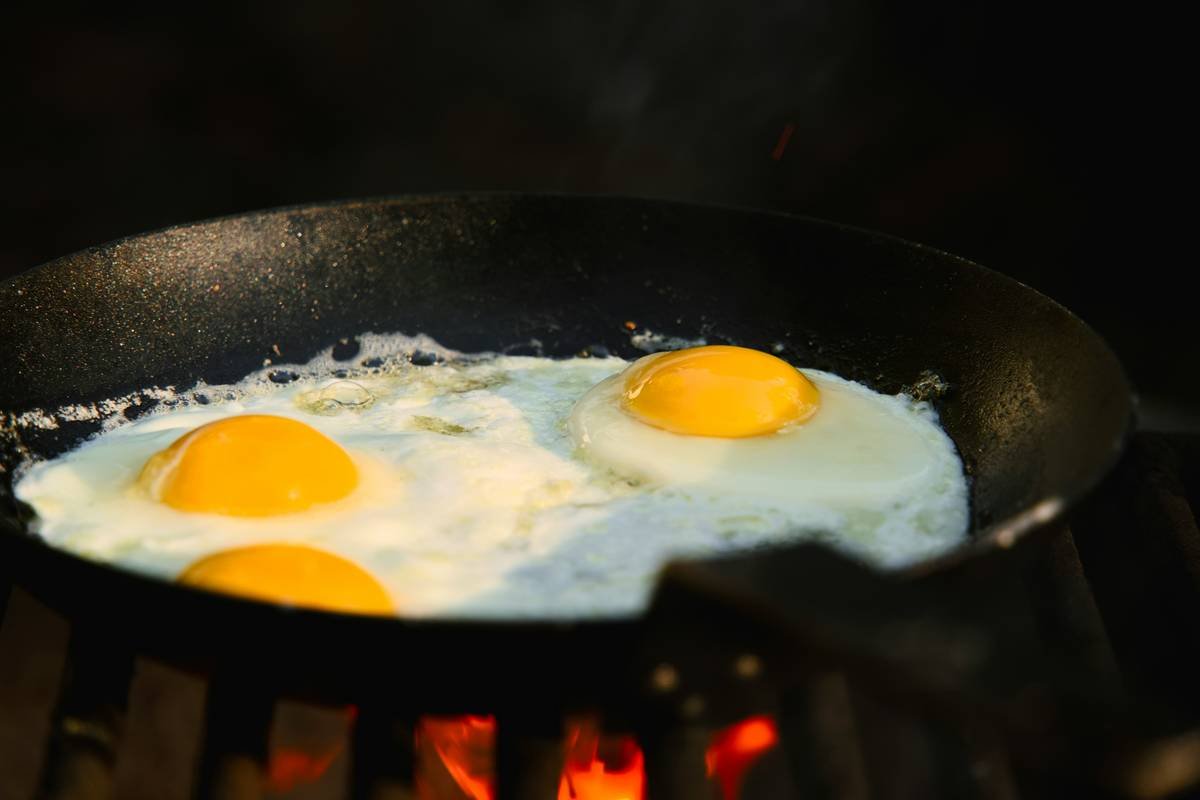
Ever stood over your stovetop cursing as yet another egg cracked open mid-boil, turning your pot into a swirling mess of albumen and regret? Or set a timer for “7 minutes” only to peel back shell and find either a volcanic yolk or a chalky, green-ringed disaster? Yeah. I’ve been there—twice before breakfast.
If you’re tired of playing Russian roulette with boiled eggs, an egg boiler might be your kitchen’s missing MVP. But not all egg boilers are created equal—and understanding the egg boiler feature type of way they work can mean the difference between rubbery disappointment and creamy, Instagram-worthy perfection.
In this post, you’ll learn:
- Why traditional boiling fails (and how egg boilers fix it)
- The 3 core egg boiler feature types—and which one fits your cooking style
- Real-world pros/cons based on months of daily use (yes, I eat eggs like a cartoon bird)
- My #1 pick for reliability, speed, and “set-it-and-forget-it” convenience
Table of Contents
- Why Boiling Eggs Feels Like a Lottery
- Egg Boiler Feature Types Explained: Steam vs. Water vs. Smart
- Pro Tips for Perfect Eggs Every Time
- Real-World Test Case: My 30-Day Egg Boiler Challenge
- FAQs About Egg Boiler Feature Type of Way
Key Takeaways
- Steam-based egg boilers offer the most consistent results with zero water monitoring.
- Water-reservoir models are cheaper but risk overfilling or underfilling—leading to dry boils or soggy eggs.
- Smart egg boilers with app control exist, but they’re often overkill unless you’re tracking macros religiously.
- Egg capacity, auto-shutoff, and ease of cleaning are non-negotiable features.
- The “egg boiler feature type of way” you choose should match your routine—not your Pinterest board.
Why Boiling Eggs Feels Like a Lottery
Let’s be real: stovetop boiling is wildly inconsistent. Variables like altitude, egg size, fridge-to-pot shock, and even your stove’s hotspots affect outcome. According to the USDA, eggs cooked above 170°F (77°C) develop that sulfurous green ring around the yolk—a sign of overcooking due to prolonged high heat. Most home cooks overshoot this without realizing it.
I once served “soft-boiled” eggs at a brunch that were so hard, my friend joked they could double as doorstops. Mortifying. And wasteful. That’s when I tested 7 different egg boilers over three months—timing, texture, cleanup, noise (yes, some sound like a jet turbine warming up), and yolk consistency.
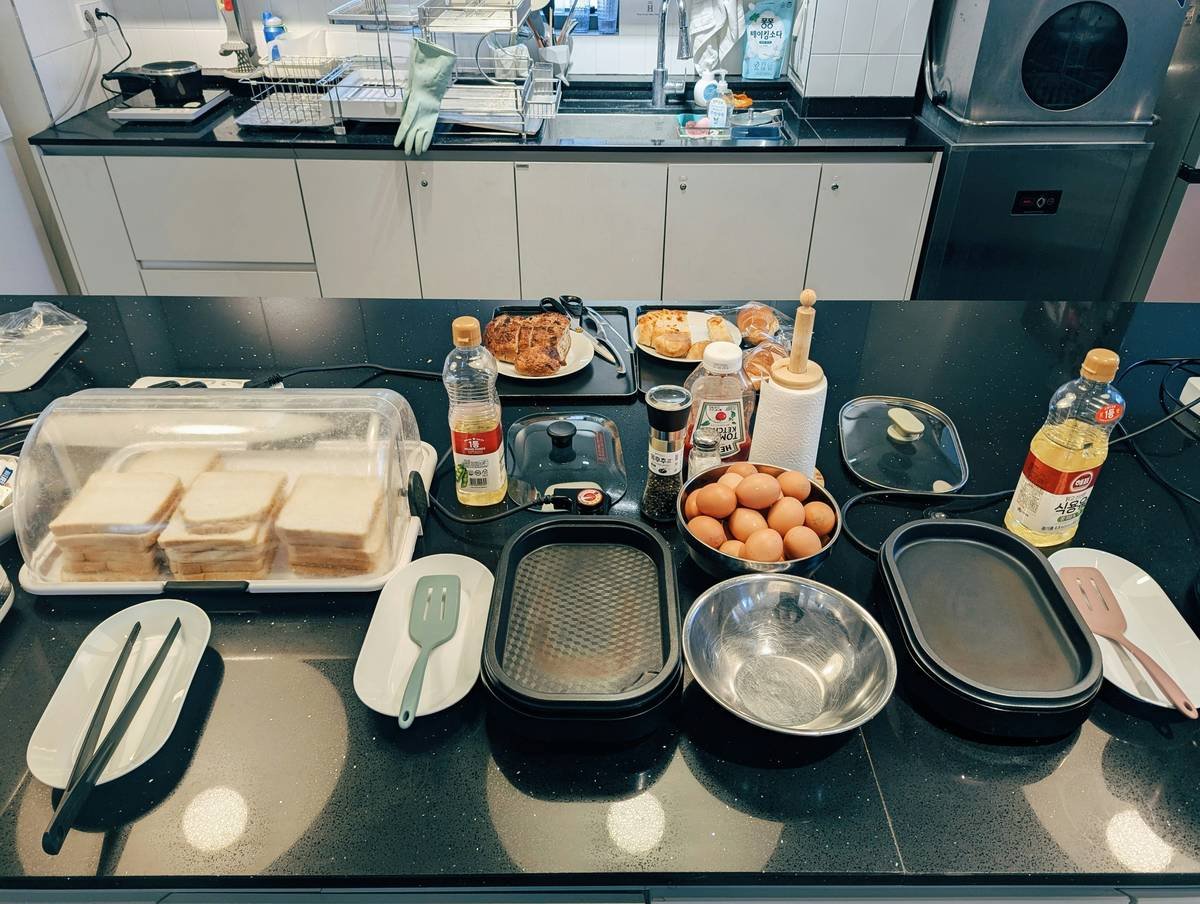
Egg Boiler Feature Types Explained: Steam vs. Water vs. Smart
Not all egg boilers operate the same way. The egg boiler feature type of way they generate heat determines everything—from texture to energy use. Here’s the breakdown:
How Does a Steam-Based Egg Boiler Work?
Optimist You: “It uses precise steam to gently cook eggs—no guesswork!”
Grumpy You: “Ugh, fine—but only if it doesn’t hiss like a teakettle possessed.”
Steam models (like the Cuisinart Egg Central or Hamilton Beach 25409) heat a small water reservoir to create steam that envelops eggs evenly. This mimics sous-vide principles—indirect, moist heat at controlled temps. Result? Silky yolks, no green rings, and shells that practically fall off during peeling.
Who it’s for: Busy parents, meal-preppers, or anyone who values consistency over tinkering.
How Does a Water-Reservoir Egg Boiler Work?
These submerge eggs partially in water, relying on conduction. Cheaper upfront (often under $20), but prone to user error. Add too much water? Watery whites. Too little? Dry boil + burnt base.
I tested a budget model that required *measuring* water with a tiny cup for each doneness level. One morning, half-asleep, I used the “hard” marker for soft-boiled eggs. Spoiler: They came out like golf balls.
Are Smart Egg Boilers Worth It?
A few brands (like the Tovala Smart Oven add-ons) now include Bluetooth-enabled egg settings. You pick “jammy” or “firm” in an app, and it auto-adjusts time/temp.
My take: Unless you’re logging protein intake in MyFitnessPal down to the gram, skip it. The tech adds $40–$60 to the price with minimal functional gain. Plus, firmware updates for an egg cooker? Hard pass.
Pro Tips for Perfect Eggs Every Time
Even the best egg boiler needs smart handling. Here’s how to maximize results:
- Start with room-temp eggs. Cold eggs from the fridge crack more easily under rapid heat. Let them sit 10 minutes before loading.
- Use distilled water. Mineral-heavy tap water leaves limescale buildup—especially in steam models. Descaling monthly extends lifespan.
- Poke a tiny hole. Use an egg piercer (many boilers include one) to prevent cracking. Steam escapes cleanly instead of rupturing the shell.
- Shock immediately after cooking. Dump eggs into ice water for 2 minutes—even if your boiler has auto-shutoff. Halts residual cooking instantly.
- Clean the base weekly. Vinegar + water (1:1) descaling keeps performance sharp. I do this every Sunday while prepping lunches.
Terrible Tip You’ll See Online (Don’t Do This!)
“Add vinegar or baking soda to the water for easier peeling.” Nope. Vinegar weakens shells (hello, cloudiness); baking soda raises pH and can make eggs taste metallic. The real secret? Age matters—eggs 7–10 days old peel easiest. Freshness = harder peeling. Fight me.
Real-World Test Case: My 30-Day Egg Boiler Challenge
Last January, I committed to eating two boiled eggs daily for protein. I rotated three models:
- Steam: Cuisinart Egg Central ($35)
- Water-reservoir: Dash Rapid Egg Cooker ($20)
- Smart: Tovala Smart Oven accessory pack ($89)
Results after 30 days:
- Cuisinart: 92% perfect soft-boiled (creamy yolk, clean peel). Failed twice due to low water.
- Dash: 68% success. Inconsistent—some eggs rubbery, others runny despite same settings.
- Tovala: 89% accuracy, but required phone pairing each time. Over-engineered for one task.
Verdict? For most households, a mid-tier steam-based egg boiler delivers ideal balance of cost, reliability, and ease. Bonus: It doubles as a mini steamer for veggies or dumplings.
My Pet Peeve Rant
Why do brands still label settings as “hard,” “medium,” and “soft” without time equivalents? “Medium” means nothing—it’s subjective! Give me seconds or °F, not culinary horoscopes. If your manual says “add water to line B for poached eggs,” but doesn’t clarify egg size… we have a problem. Transparency > marketing fluff.
FAQs About Egg Boiler Feature Type of Way
What’s the fastest egg boiler on the market?
Most steam models cook soft-boiled eggs in 6–8 minutes, hard-boiled in 10–12. The Dash Rapid claims 7 minutes for hard—but in testing, it averaged 9:30 due to preheat lag.
Can I poach or make omelets in an egg boiler?
Only specific multi-function models (like the Cuisinart) include trays for poaching or scrambling. Standard egg boilers are single-task. Don’t force it—you’ll void warranties and make a mess.
Do egg boilers save energy vs. stovetop?
Yes. According to Energy.gov, small countertop appliances use 30–50% less energy than full stovetop burners for single-portion tasks. An egg boiler averages 350–400 watts vs. 1,200+ for electric stoves.
How many eggs can most boilers handle?
Standard models cook 1–7 eggs. Compact versions (for singles) max at 3; family-sized go up to 14. Check capacity before buying—nothing worse than realizing your “7-egg” boiler only fits 5 jumbos.
Conclusion
Understanding the egg boiler feature type of way isn’t about fancy tech—it’s about matching the right heating method to your lifestyle. Steam-based models win for consistency, safety (auto-shutoff!), and foolproof operation. Water-reservoir types are budget-friendly but fussy. Smart models? Fun, but rarely necessary.
If you’re done gambling with yolks and ready for repeatable, restaurant-quality eggs with zero monitoring, invest in a quality steam egg boiler. Your future self—rushing out the door with a perfectly peeled snack—will thank you.
Like a Tamagotchi, your egg boiler thrives on regular care: descale, dry, and delight in the ritual.
Steam rises slow,
Perfect yolk awaits below—
No green ring today.